Tube Leaks In Chillers – The Complete Guide

Introduction
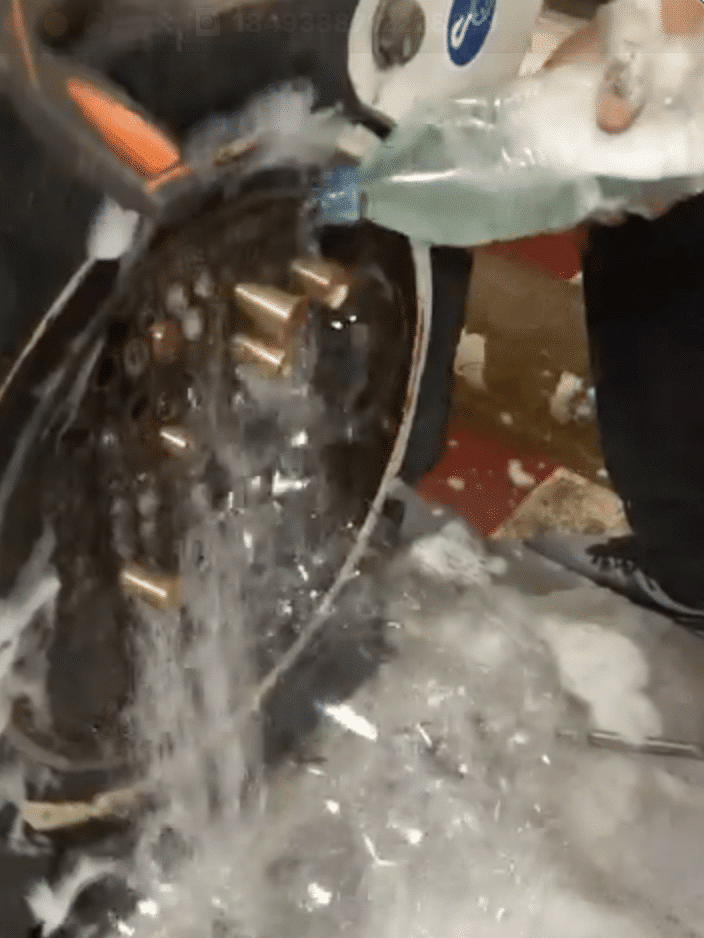
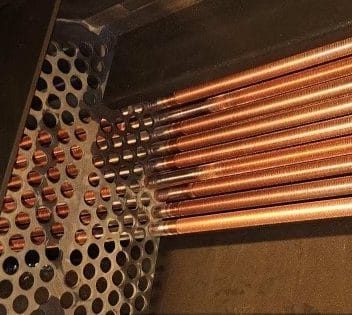
Tube leaks are one of the most expensive and preventable failures in any chiller system. When a tube fails, usually all of the refrigerant is lost, water fills the vessel, and the entire inside of the machine immediately begins to decay.
Consequences of a Tube Leak:
In severe cases: complete system replacement is required if the system sat full of water for a long period of time.
- Refrigerant loss
- Water contamination of the refrigerant circuit
- Oil contamination
- Dehydration and cleanup
- Compressor damage or rebuild
- Tube bundle replacement or full re-tube
What are the common causes of tube leaks on chillers?
01 Thermal Expansion / Stress Cracking
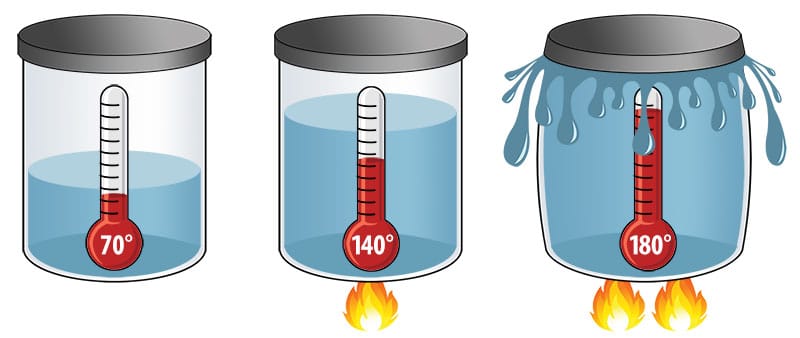
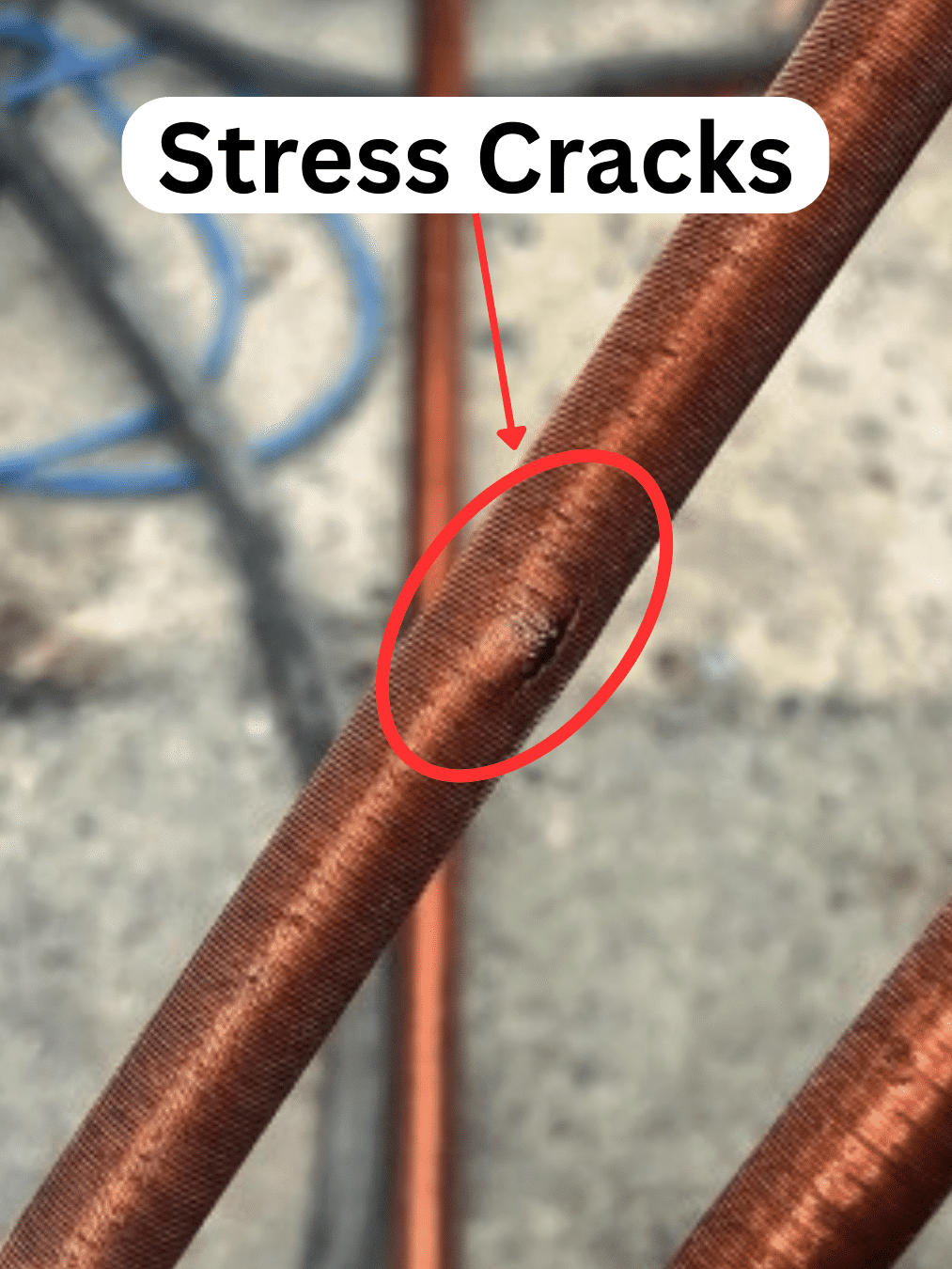
When a vessel is isolated intentionally, or unintentionally using check valves, manual isolation valves, or control valves, etc.. water can become hydraulically trapped inside making the vessel susceptible to thermal expansion.
If the vessel is filled with 55 gallons of 44°F water when it is isolated, and the temperature rises to 75°F there is almost half a gallon of Expansion. If there is no expansion path, the pressure will increase dramatically, and the tubes can crack, gaskets can blow out, and ultimately you are going to break things.
Its extremely important that there is always a path back to the expansion tank when flow is isolated through a machine, or valves are closed on a filled vessel if there is a risk for thermal expansion.
⚠️ Important: When using hot water pressurizers on low-pressure chillers for leak checking, always ensure there is an open path to the expansion tank. That may mean leaving one valve partially cracked open to the system, but be 100%.
Example: Offshore Platform Failure
An offshore platform we worked at operated three chillers themselves. During changeover, operators isolated the inactive machine completely right away as part of their normal shutdown procedure. Thermal expansion ruptured tubes in all three systems, they kept plugging tubes, and replacing multiple compressors over the course of 8 years because there was no expansion relief path.
02 Ice / Freeze Damage
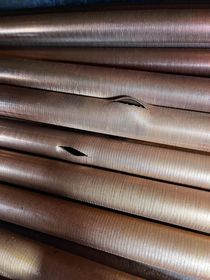
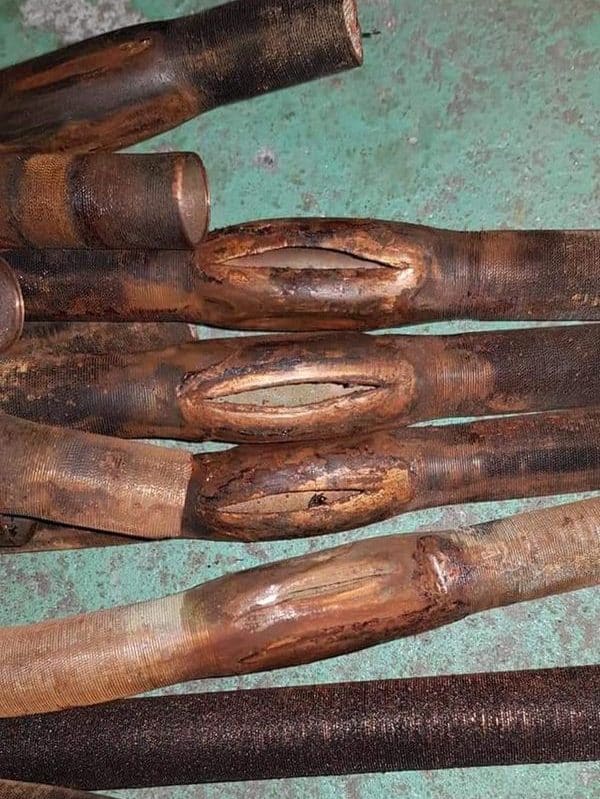
Freeze damage typically occurs from improper refrigerant recovery/charging, sudden refrigerant release, improper winterization, low glycol percentage, or low flow conditions combined with improper freeze settings on screw machines.
When water freezes, it expands. This expansion splits copper tubes longitudinally and can rupture multiple tubes at once.
Make sure you are checking your glycol percentages and winterizing the machine properly.
03 Erosion and debris
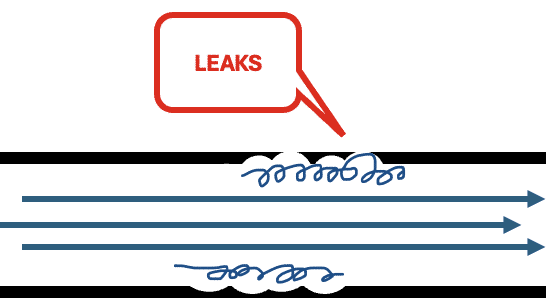
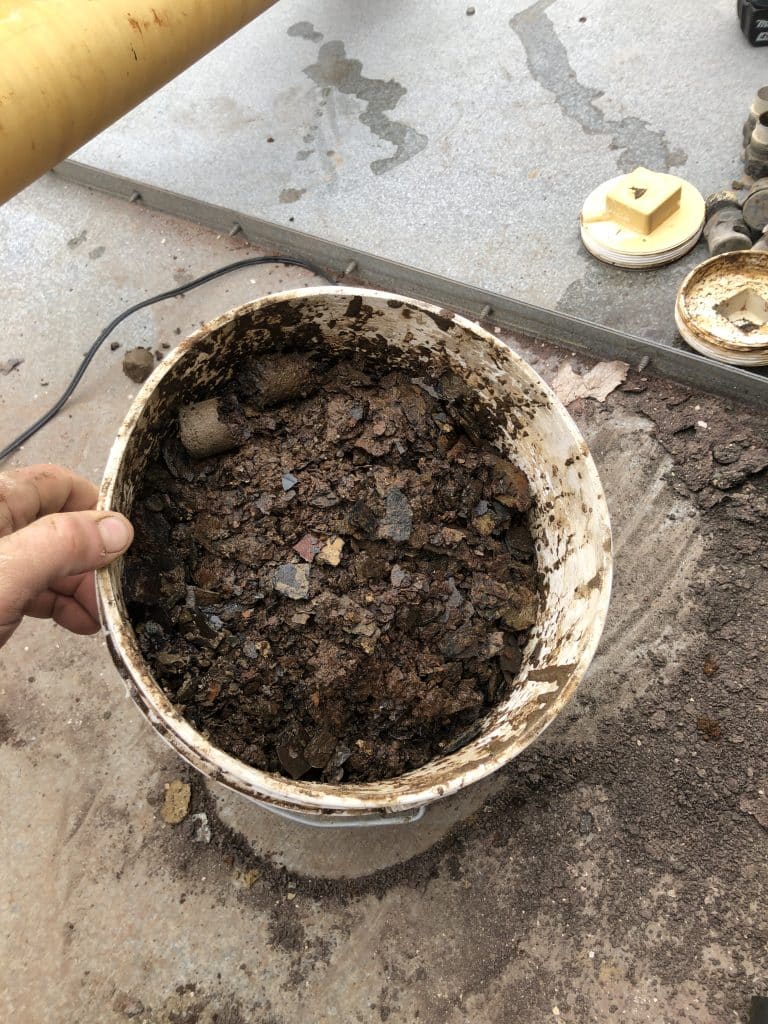
Excessive water velocity and suspended solids can erode tube walls over time.
General Velocity Guideline: Target ~2 ft/sec. Do not exceed 4 ft/sec.
Rust chips, cooling tower debris, and failed strainers can create impingement damage. Repeated brushing of dirty tubes can also wear tube walls.
04 Vibration Wear
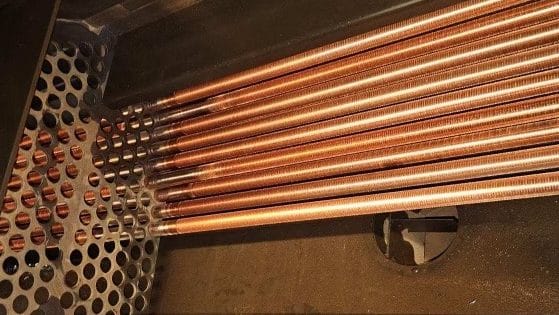
Flow-induced vibration, mechanical resonance, Offshore / marine motion, and loose tube supports can wear tubes at support or baffle locations.
Tube supports prevent movement and maintain spacing. When wear occurs at support points, tubes thin and eventually leak. Eddy current testing can detect early vibration scoring.
05 Biological / Bacterial Attack
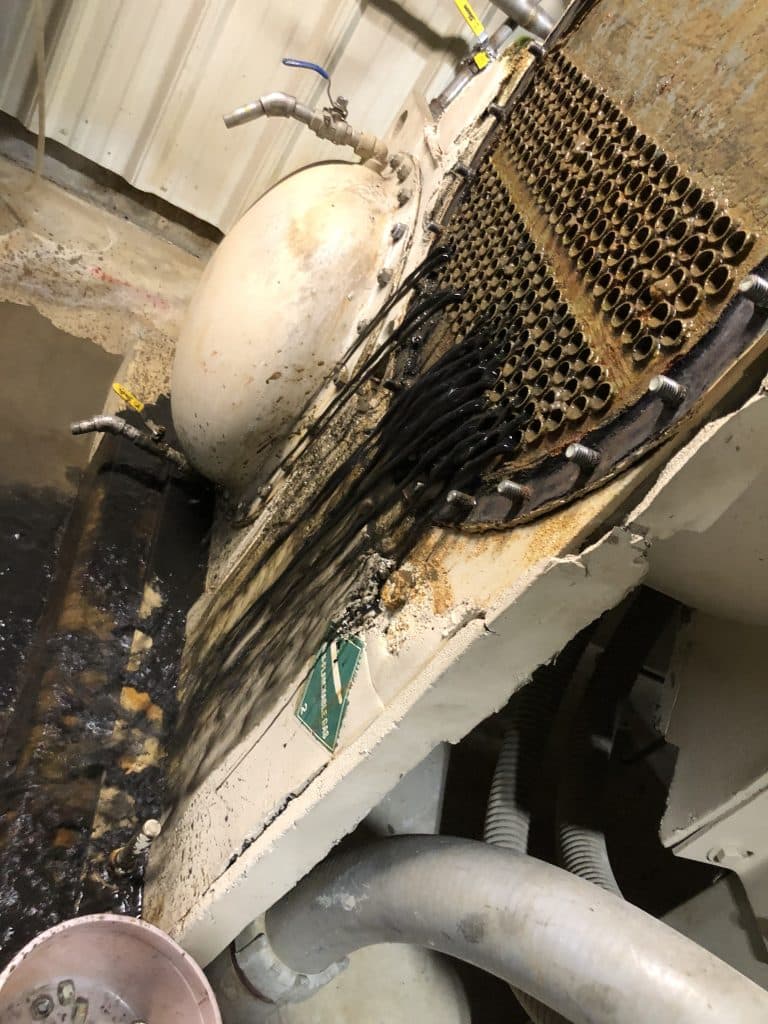
In high-organic environments with an open chilled water loop, bacteria can accumulate inside fouled tubes. In extreme cases, bacterial contamination has eaten through tube walls, requiring frequent re-tubing, tube plugging, and sometimes equipment replacement if the issues are not caught in time.
🛠️ Join a Global Support Network For Chiller Mechanics
Inside our online portal, techs share real-world fixes, rare issues, and smart workarounds from jobs that don’t show up in training.
✔ Field-tested solutions from guys in the trenches
✔ Custom Training
✔ Quick help when you’re stuck on something unusual
✔ Learn how other mechanics handle the oddball problems
What does a tube leak cost to repair?
If refrigerant is lost and water enters the refrigerant circuit, the entire system is contaminated. Corrosion spreads rapidly, and you need to move fast. In larger systems this means repairs upwards of $255,000 not including lost production time.
Some of the potential outcomes include:
- A rental chiller is required to resume operation
- Compressor damaged and needs to be overhauled or replaced
- Oil contamination
- Refrigerant component damage
- Complete refrigerant circuit cleanup
- Tube plugging
- Dehydration of the machine
- Tube bundle replacement or full re-tubing of the machine
- Full equipment overhaul
- Total system replacement if not addressed quick enough
What can you do to prevent tube leaks on chillers? Spoiler- Eddy Current testing.
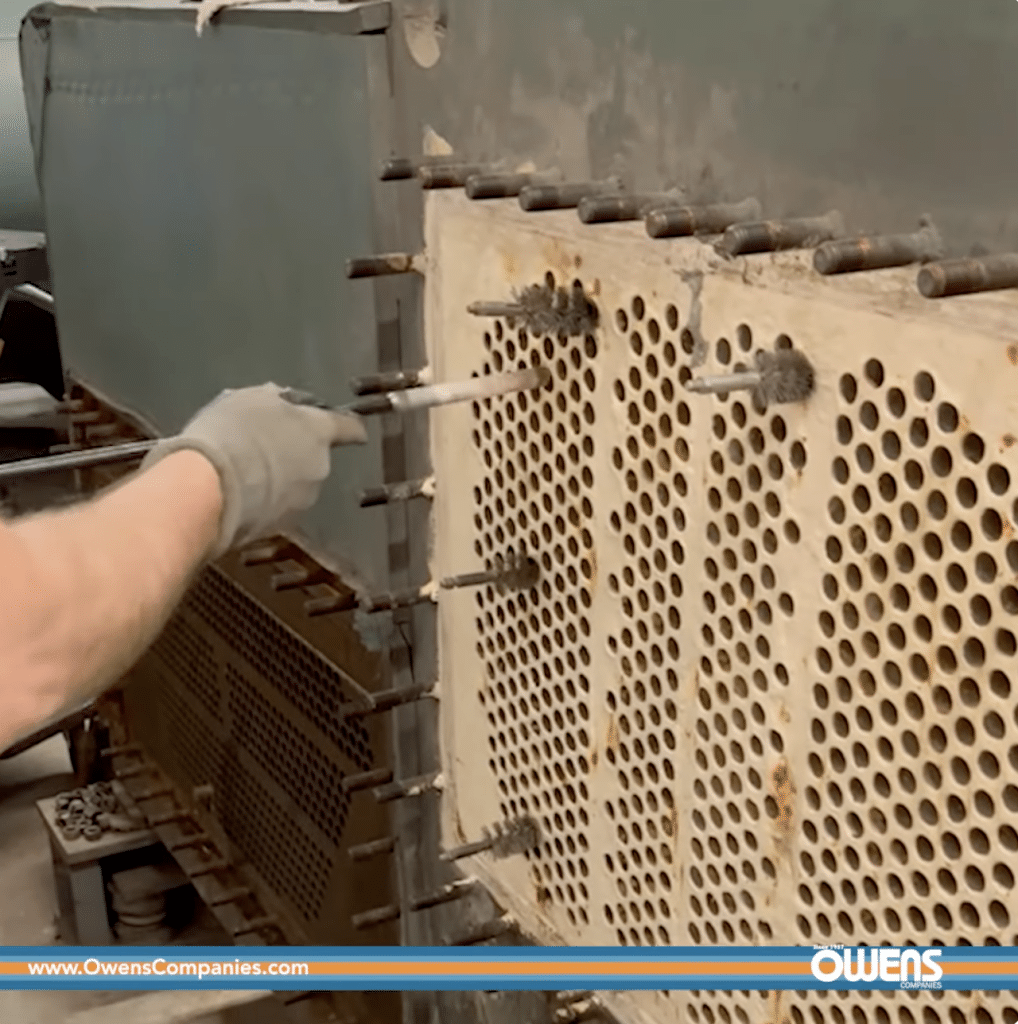
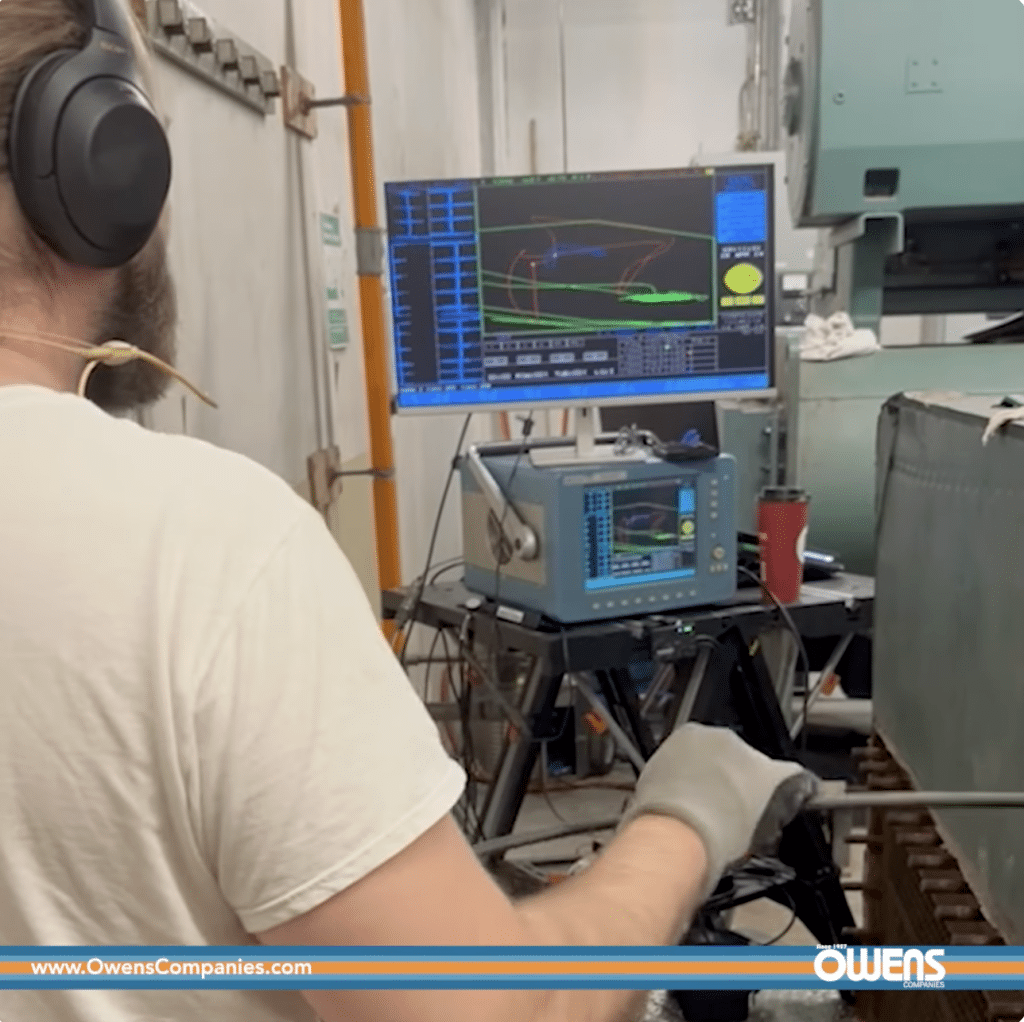
Eddy current testing is the industry-standard method for detecting tube thinning, pitting, cracking, and early-stage failures before a catastrophic leak occurs.
After testing, a report will identify failed or thinning tubes.
Failed tubes should be plugged using approved two-piece brass tube plugs.
General Industry Recommendation used by most manufacturers:
- Condenser: Every 3–5 years
- Evaporator: Every 3–5 years
- When in doubt: Inspect both every 5 years
**Always verify manufacturer and project-specific requirements.
How do you prepare for eddy current testing?
1. Drain both vessels completely (Save the glycol).
2. Remove end bells.
3. Brush all tubes thoroughly.
4. Flush tubes with clean water.
5. Replace all gaskets and plug the faulty tubes after inspection (including divider plate gasket if applicable).
Most manufactures will allow you to plug up to 10% of the tubes before re-tubing / replacement of the vessel is required.
Chiller Tube Leak Prevention Checklist
[ ] Water velocity / flow has been verified (~2 ft/sec, under 4 ft/sec max)
[ ] Isolation valve location, piping layout, relief valve location, and control philosophies reviewed for accuracy
[ ] A path for expansion has been confirmed before pressurizing low pressure chillers
[ ] Freeze protection settings verified in the chiller control panel
[ ] Glycol percentage confirmed (if applicable)
[ ] Strainers inspected and maintained
[ ] Vibration check on the machine has been done
[ ] Eddy current testing scheduled (3–5 years)
🛠️ Learn What the Manuals Don’t Tell You — Sign Up Free
Inside our online portal, techs share real-world fixes, rare issues, and smart workarounds from jobs that don’t show up in training.
✔ Field-tested solutions from guys in the trenches
✔ Quick help when you’re stuck on something unusual
✔ Learn how other mechanics handle the oddball problems
Need help with your Chiller? Drop a screenshot in the chat, or question that you have and lets work together to get it online.